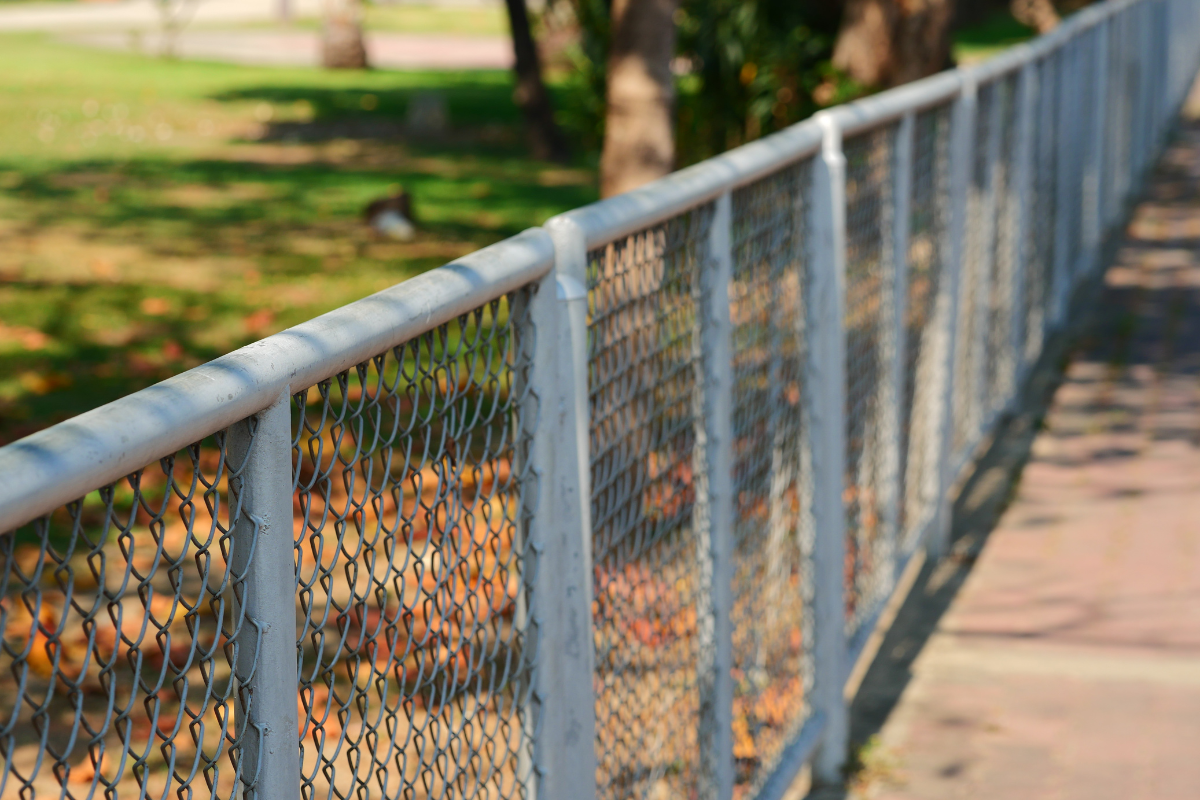
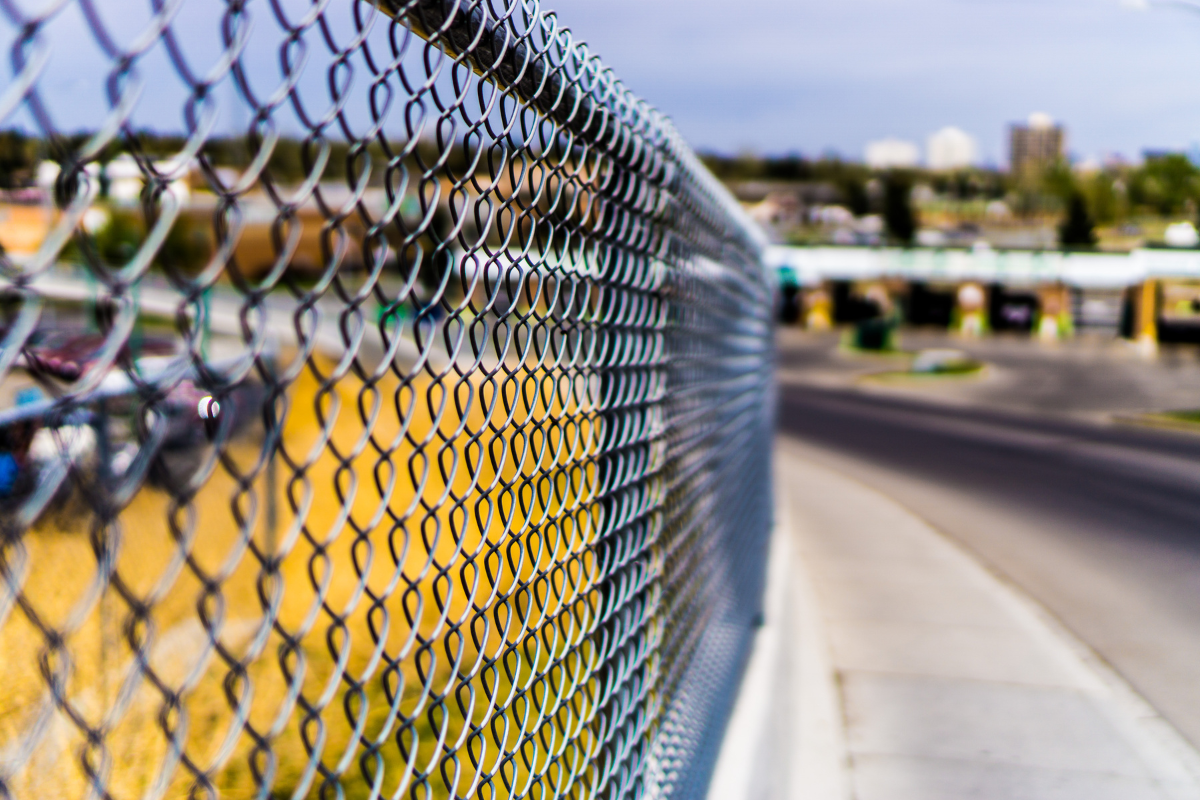
Privacy and durability rarely travel together at a reasonable price. Chain link fencing, paired with the right privacy slats, is one of the few solutions that can deliver both without bloating the budget or the maintenance schedule. After years of specifying, installing, and repairing fences for homes, schools, utilities, and logistics yards, I’ve learned where this system excels, where it falls short, and how to make the most of it. This is a practical look at materials, installation choices, slat options, local codes, and long term care that keeps a fence working the way it should.
Why chain link still earns its place
Chain link carries a blue‑collar reputation for good reason. It builds fast, stays plumb, handles wind, and does not complain about temperature swings. When paired with privacy slats, it transforms from pure perimeter control into a screen that shields patios, playgrounds, and equipment yards. A well planned chain link fence installation offers several advantages that property owners often overlook.
The cost per linear foot usually lands well below ornamental steel or composite privacy panels, especially on runs longer than 150 feet. Labor is efficient too, because tensioned wire mesh and standard line posts install quickly. For sites with uneven grades, the fabric steps or racks cleanly without odd gaps. Repairs are surgical: a damaged bay can be cut out and re‑woven or re‑stretched without replacing the entire line. When you add slats, you buy visual privacy and some wind diffusion without sacrificing the ability to selectively repair damaged sections.
Municipalities, utility companies, and schools lean on chain link because it accepts upgrades. Barbed wire outriggers, bottom rails to block digging, and view control with slats all integrate with the same post layout. A homeowner can start with a basic perimeter, then add slats, windscreens, or even tension wire as needs evolve. That flexibility is the hallmark of good chain link fencing services.
What privacy really means in this context
Owners ask a fair question: how private can a chain link fence with slats actually be? The answer depends on mesh size, slat type, color, and site conditions.
Standard 2 inch diamond mesh with full‑coverage vertical slats blocks roughly 75 to 85 percent of visibility from straight ahead. Angled views open gaps, which reduces practical privacy to around 60 to 70 percent when someone looks along the fence line. If you step down to 1.75 inch mesh, coverage improves a bit because the diamonds are tighter. Add a windscreen on the inside and you can approach near‑solid coverage, but you’ll increase wind load dramatically, which affects post sizing and footing depth.
Light orientation matters. A bright background behind your yard will silhouette activity even through slats. Plantings along the interior face solve that without changing the fence. Households sometimes choose darker slats, like forest green or black, to reduce reflective glare and create a uniform backdrop for landscaping. In commercial yards, tan and gray are popular for blending with building facades and dust.
For many residential clients, privacy means the neighbor cannot casually watch a patio or pool. For logistics yards, it means shielding operations from the street and limiting product visibility. Both goals are realistic with slats, provided the fence frame and mesh are specified properly.
The anatomy of a resilient privacy‑slatted chain link fence
The temptation is to treat slats like a cosmetic add‑on that can slot into any fence. The field tells a different story. Slats change the physics by catching wind. If your original chain link was designed as open mesh, adding slats later can overstress posts and footings. The more private the fence, the more it behaves like a sail.
A robust design begins with posts. On a 6 foot tall residential fence with full slats, 2 3/8 inch schedule 40 steel posts at 8 foot centers handle most suburban wind exposures. If the area sees gusts above 80 mph or the fence runs uninterrupted for long distances, either shorten the span to 6 feet or upsize posts and top rails. Corner and gate posts do most of the work, so I upsize them one or two diameters, set them deeper, and widen the footings. A typical corner post on a 6 foot fence might sit in a 12 inch diameter by 36 inch deep footing; with slats, I often move to 16 by 42 inches if soil is sandy or expansive. That extra concrete is cheap insurance.
The top rail should be continuous and mechanically sound. Thin wall tubing sags over time when slats catch wind. A schedule 20 or schedule 40 top rail keeps the line straight and reduces maintenance. On taller fences, a mid rail or a tension wire at mid‑height helps stabilize fabric and keeps slats aligned.
Mesh gauge and galvanizing matter more than most realize. Heavier 9 gauge fabric, or 11 gauge with a thick PVC coating, takes abuse better than economy 11.5 or 12 gauge. When you work in coastal areas or near chemical operations, insist on hot‑dip galvanized components after fabrication, not just pre‑galvanized wire. Salt and fertilizers chew through thin coatings quickly. A chain link fence company that quotes a “standard spec” should be willing to discuss these upgrades for slatted applications.
Choosing slats: types, coverage, and climate fit
Slats come in several profiles, and the difference shows up in coverage, installation time, and service life. The common types are vertical privacy slats, winged slats, weave‑in slats, and louvers.
Vertical privacy slats slide down through the diamonds from the top. They’re fast, especially with a top lock or bottom channel that aligns them. Coverage is good, and replacement is easy, which matters for vandalism or storm damage. Winged slats add flexible fins on each side to fill gaps, improving coverage and reducing rattle. They cost more but outperform in windy zones.
Weave‑in slats are narrow and snake through the mesh diagonally. They look clean and resist pullout, but they take time to install and are slower to replace. Louvers are designed to block views from specific angles while letting more air through. You see them near pool decks and patios where airflow is prized.
Material choice is usually high density polyethylene with UV inhibitors. Better products list 10 to 15 year colorfade warranties. In hot, high UV regions, earth tone pigments hold up better than bright whites or reds. Metal slats exist, including aluminum profiles that clip into the mesh, but they rattle more and can dent. Composites and PVC with internal ribs look sharp but can get brittle in cold snaps. When a chain link fence contractor recommends a slat, ask to see a sample that has lived outside for a few years, not just a new piece from the box.
Color and texture affect perceived privacy. Matte finishes reduce reflections that can betray silhouettes. Ribbed or woodgrain textures break up light patterns and look less industrial. Matching the slat color to your top rail and posts creates a unified look; contrasting colors draw the eye to the fence, which is not always the goal.
When to call a contractor versus DIY
Plenty of homeowners can handle slat insertion on an existing fence, especially vertical slats with top locks. Where a professional earns their keep is at the design and structure stage. If you plan to add slats to a fence that was not engineered for the added wind load, have it evaluated. A reputable chain link fence contractor will probe footings, check post spacing, measure fabric gauge, and look for signs of rust, loose ties, or warped top rail. They should also pull local wind maps and soil data, then size posts and concrete accordingly.
For new builds with privacy in mind, the sequencing of work matters. Posts and footings go first, then framework, then fabric, then gates, and finally slats. Adding slats too early makes stretching and tying the fabric harder and can trap errors. Gate frames should be braced, and their posts should be larger because slats add weight and wind load. Hinges and latches must be sized accordingly; budget hardware sags under the combined stresses.
I encourage clients to gather at least two bids from companies that specialize in chain link fence installation, not just general landscaping. Listen for specifics: mesh gauge, post schedule, footing sizes, slat type, warranty terms. Avoid any proposal that simply says “standard chain link with slats.” That usually means hoping the wind cooperates.
The installation sequence that avoids headaches
Every site brings quirks, but a solid installation follows a predictable rhythm that avoids rework and future service calls.
- Layout, permits, and utilities: Stake the line, confirm property pins, mark gates, and call utility locates. Many chain link fence companies handle permits, but do not assume. Some cities restrict fence height or require open mesh along street frontage; confirm that privacy slats are allowed. Footings and post set: Dig to frost depth or 36 inches minimum, depending on code, and bell the bottom of the hole in loose soils. Align posts with a string line, set for height, and allow concrete to cure fully. Rushing this step leads to racked frames once the mesh is tensioned. Framework and gates: Install bottom tension wire, top rail, corners, and any mid rails. Hang gates and align latches while the line is still accessible. If you are using cantilever gates with slats, check that rollers and tracks are rated for the added weight. Fabric stretch: Unroll fabric along the line, pull with a come‑along and stretcher bar, and tie to posts at proper intervals. Check diamonds for uniformity and make final adjustments. At this stage, confirm clearances under gates and across slopes. Slat insertion and finishing: Insert slats per manufacturer’s pattern and lock them with channels or clips. Walk the line for loose ties, sharp edges, and proud wire ends. Paint or seal cut ends of galvanized components to slow corrosion.
This sequence saves time and avoids trapping tools behind slatted panels. It also ensures that any issues with sag, twist, or gate swing are fixed before the fence becomes a screen.
The maintenance reality: low, not zero
One of the strongest arguments for chain link is the simplicity of upkeep. With slats, maintenance remains light, but there are patterns to watch for. UV exposure will fade bright colors over 5 to 10 years; select earth tones or black to age gracefully. Wind and vibration loosen ties, especially on the top rail, so an annual walk‑through with a bag of ties and a pair of pliers pays dividends. Ice storms and heavy snow loads can bow top rails if snow drifts against slatted sections; knock down drifts along long runs when a big storm is forecast.
Chain link fence repair on slatted systems is straightforward with the right approach. Cut out damaged fabric between two posts, splice a new section with a tension bar and new ties, and reinsert replacement slats. If slats were installed with a continuous bottom channel, you may need to lift a short run to access the channel, which is fiddly but manageable. For bent posts, first check footing integrity. If the footing is intact and the post is bowed above grade, a trained crew can often pull and replace the post by carefully chipping back the concrete at the surface and setting a new post in a sleeved repair. If the footing cracked in a wind event, plan to dig and reset. Cheap fixes rarely hold through the next storm.
Galvanized coatings protect against rust, but any cut or weld made during installation should be painted with a zinc‑rich coating. Watch especially where gates swing and hardware rubs. In coastal areas, rinsing salt spray a few times a year helps. Vegetation can be friend or foe. Ivy climbs and hides, but it traps moisture and adds wind load. Use shrubs, not vines, to soften the look.
Cost, value, and the honest payback
Owners evaluating privacy options often compare slatted chain link to stockade wood, vinyl panels, and composite fencing. Wood wins on upfront material cost for small backyards, but loses over time to staining, warping, and rot. Vinyl offers clean lines, high privacy, and low maintenance, yet can be brittle in cold and chalky in high UV. Composites look premium and handle weather well, at a price that can triple the budget. Slatted chain link lands in a sweet spot on larger projects, especially where security and longevity matter as much as aesthetics.
On residential lots, a 6 foot galvanized chain link fence with winged polyethylene slats typically costs more than bare chain link by 40 to 70 percent, depending on slat type and labor rates. On long commercial runs, slats may double the install price because of wind design upgrades and the hours to insert thousands of pieces. The payback is in service life and scalability. You keep the steel frame for decades, replace slats as needed, and expand or move sections without waste. Property managers appreciate that predictability.
Insurance and liability add nuance. In some jurisdictions, pool enclosures must remain climb resistant and visible for safety inspections. Slats can be allowed or prohibited depending on local code. Where privacy is allowed, a tightly slatted chain link fence can deter opportunistic theft because it hides targets and complicates quick climbs. That can influence risk assessments and premiums. Always check code early to avoid tearing out a fence later.
Design choices that elevate the result
A privacy fence can look either institutional or intentional. Small choices make a big difference. Matching colors across posts, rails, and slats unifies the field. For residential runs, stepping the fence along grade rather than racking it keeps the top line crisp and improves the look from the street. On corner lots, pulling the fence back a foot or two from the sidewalk, then planting low shrubs inside, softens the mass and satisfies sightline rules for traffic.
Gates deserve special attention. A slatted gate panel can act like a parachute when a gust hits just as someone swings it open. Use self‑closing hinges rated for the added sail effect and stout latches with positive catches. On wide driveway gates, consider using perforated slats near the hinge edge to bleed air, or choose a louver pattern that reduces peak loads. If the gate is automated, the operator should be sized for the increased wind drag and balanced with appropriate counterweights or spring assistance.
Noise control is a bonus with slats. While they are not soundproof, slats break up sound waves and reduce high frequency noise from nearby roads or playgrounds. Pairing the fence with a hedge inside the property line absorbs more sound and creates layered privacy. Clients often comment that the yard feels calmer even if the decibel meter barely moves.
Retrofitting existing chain link with slats
Many properties already have sturdy chain link fencing and want privacy without rebuilding. A retrofit can be smart, provided the frame and posts are up to the task. Start with an inspection. Check that line posts are plumb and not loose at the base. Look along the top rail for dips that suggest undersized tubing. Measure mesh gauge and diamond size. If the fence is older than 15 years, heavily rusted, or built with lightweight residential components, budget for a few reinforcements.
Upgrades might include adding a mid rail, swapping a thin top rail for heavier wall tubing, or installing diagonal braces at corners. On long runs, strategically placed wind braces at intervals break up the span and limit sway. If the footings are shallow or posts wobble, pulling and resetting a few key posts may prevent a wholesale rebuild. Your chain link fence contractor should price these as line items so you can choose the most impactful upgrades.
Once the structure checks out, selecting the right slat becomes the main decision. For retrofits, vertical slats with a top or bottom locking channel tend to install fastest. Where kids or pets are present, channels keep slats from working loose. If vandal resistance is a concern near alleys or public rights‑of‑way, choose slats with mechanical locks that require a tool to remove. Color matching to aged galvanizing is tricky, so many clients use black or dark green slats that contrast intentionally and look fresh rather than mismatched.
The role of professional services across the fence lifecycle
Good chain link fencing services start before the first post hole. Site assessment, code review, and design recommendations prevent costly surprises. During installation, a trained crew sets the pace and keeps details tight, from square corners to gate swing clearance. After ribbon cutting, the relationship should continue with seasonal checks and responsive chain link fence repair when storms or accidents strike.
What distinguishes a reliable chain link fence company is a willingness to talk through trade‑offs. They should explain why a heavier post at the corner matters, why the gate latch should change with slats, or how wind exposure near an open field changes footing depth. They should not sell the maximum spec to every client, but rather match components to the site and the owner’s goals. Ask for references where the company installed slatted fences at least five years ago. Call and ask how the fence has held up, how repairs were handled, and whether the privacy still meets expectations.
Red flags and common missteps
A few patterns repeat on problem calls. Slats added to a light residential fence without structural upgrades lead to lean and twist after the first seasonal windstorm. Gates that were fine with open mesh begin to drag once slatted and heavier, because hinges were not upgraded. In freeze‑thaw climates, shallow footings heave, knocking posts out of plumb and creating gaps under the fence. The fix requires re‑setting posts below frost depth and compacting backfill properly.
Owners sometimes push slats down into soil to hide a gap at the bottom. That traps moisture in the slat channel and wicks water into the fabric. Instead, set a proper bottom grade line, add a tension wire or bottom rail, and address grade issues with a small mow strip or gravel. Another misstep is choosing bright white slats near a dusty road. They look great on day one and dingy by month three. A softer gray or tan hides dust and ages more gracefully.
How weather and geography shape choices
Climate shapes fences. In the Great Plains and other windy corridors, slat choice and structure must respect sustained gusts. Winged slats can quiet rattle but may catch more wind than simple vertical ones. Louvers that bleed air do better, or you can choose a mix, using higher coverage slats in sheltered areas and breathable patterns along exposures. In hurricane zones, local codes may limit solid screening within certain distances of a shoreline, and engineers may be required to stamp structural calculations for tall slatted fences. Plan early and budget for heavier steel and deeper footings.
In desert climates, UV exposure and thermal expansion drive decisions. Dark slats absorb heat and can soften; light colors reflect more and run cooler. Choose slats with UV stabilizers and a reputable warranty. In coastal zones, PVC coated fabric with stainless steel ties at critical points resists the cocktail of salt and wind. Inland snow belts call for mid rails and careful snow management near long slatted runs to avoid top rail bowing.
Measuring success six months and six years later
A privacy fence should feel like it belongs, not like a temporary barrier. After six months, owners should notice fewer eyes from the street, steady gate swing, and no rattling in a breeze. Slats should sit evenly https://www.google.com/maps/place/Southern+Prestige/@30.3158925,-92.0739959,17z/data=!3m1!4b1!4m6!3m5!1s0x2cec32bd800e8f35:0x1f19c5dbffeebca0!8m2!3d30.3158925!4d-92.0739959!16s%2Fg%2F11sxwjtzzy?entry=ttu&g_ep=EgoyMDI1MDgyNC4wIKXMDSoASAFQAw%3D%3D with no significant fade. After six years, the frame should still be true, ties tight, and repairs minimal. If a section took a hit from a truck or a fallen limb, the repair should blend in without ripples or mismatched color.
Achieving that outcome is not luck. It comes from specifying fabric gauge that fits the site, setting posts deep and straight, choosing slats that match climate and usage, and working with a chain link fence company that cares about long term performance. When done right, the system delivers privacy and security without imposing a complex maintenance burden.
A practical checklist before you commit
- Define the primary goal: privacy, screening equipment, noise moderation, or all three. Your choice influences slat type and coverage. Verify code: height limits, setback requirements, pool rules, and whether slats are permitted on street‑facing sides. Assess wind exposure: open fields, hilltops, and long uninterrupted runs demand heavier posts and rails. Specify materials: post diameter and schedule, fabric gauge and coating, top and mid rail sizes, slat type and locking method. Plan for gates: hinge and latch upgrades, operator sizing if automated, and airflow management to reduce sail effect.
A chain link fence with well chosen slats can be the quiet problem solver on a property. It stays where you put it, works in all seasons, and gives you the privacy that makes a yard, school, or yard bay feel contained. The best part, from a builder’s perspective, is that it rewards thoughtful choices rather than extravagant budgets. Work with a skilled chain link fence contractor, build the bones right, and the privacy will take care of itself.
Southern Prestige
Address: 120 Mardi Gras Rd, Carencro, LA 70520
Phone: (337) 322-4261
Website: https://www.southernprestigefence.com/